AC repair help
AC not cooling in Marietta?
For gas odor, a CO alarm, smoke or immediate danger, leave the area and contact emergency services from safety.
For cooling trouble without immediate danger, continue to the external provider website to request local AC help; the provider confirms availability and pricing.
We connect homeowners with independent local HVAC providers.
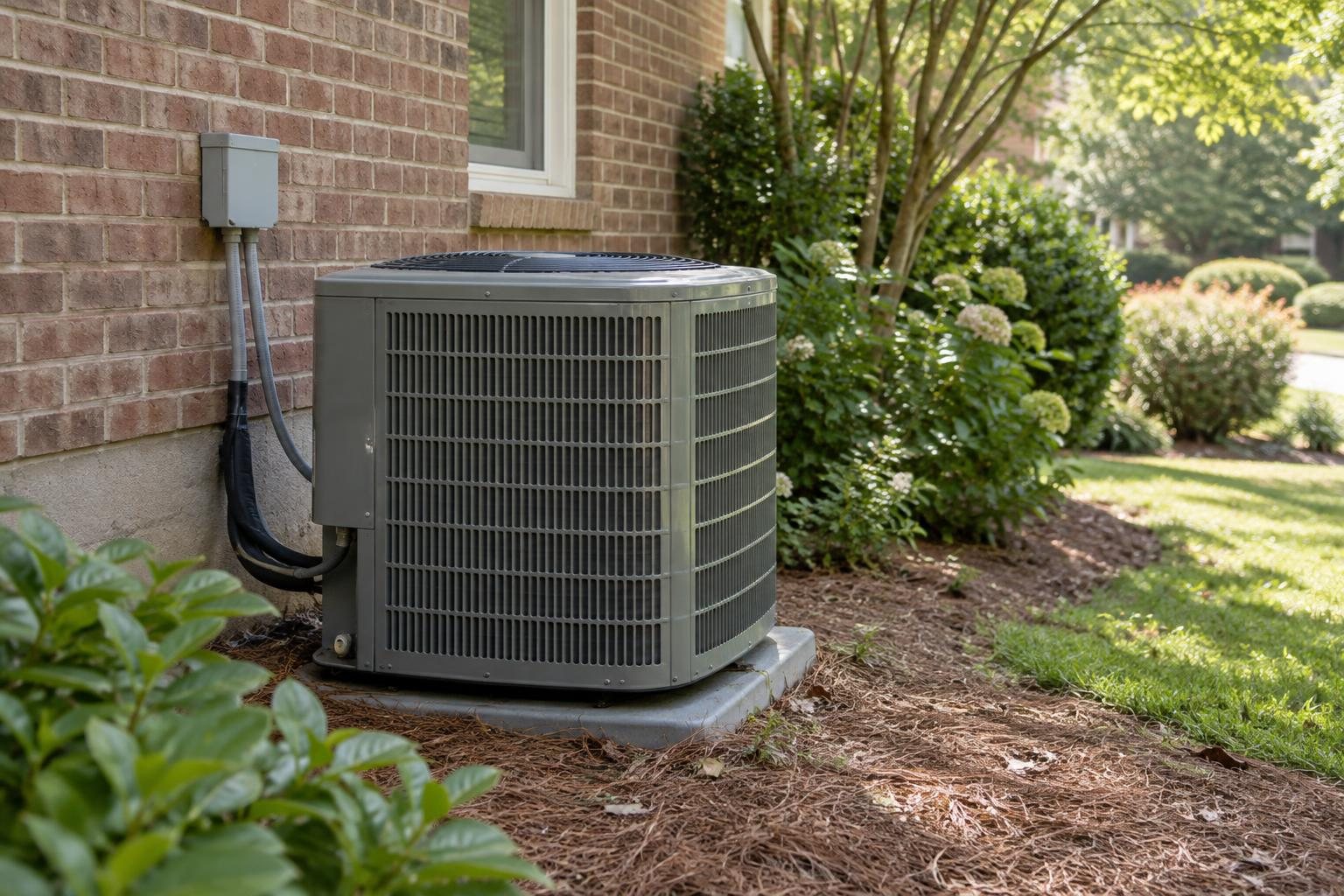
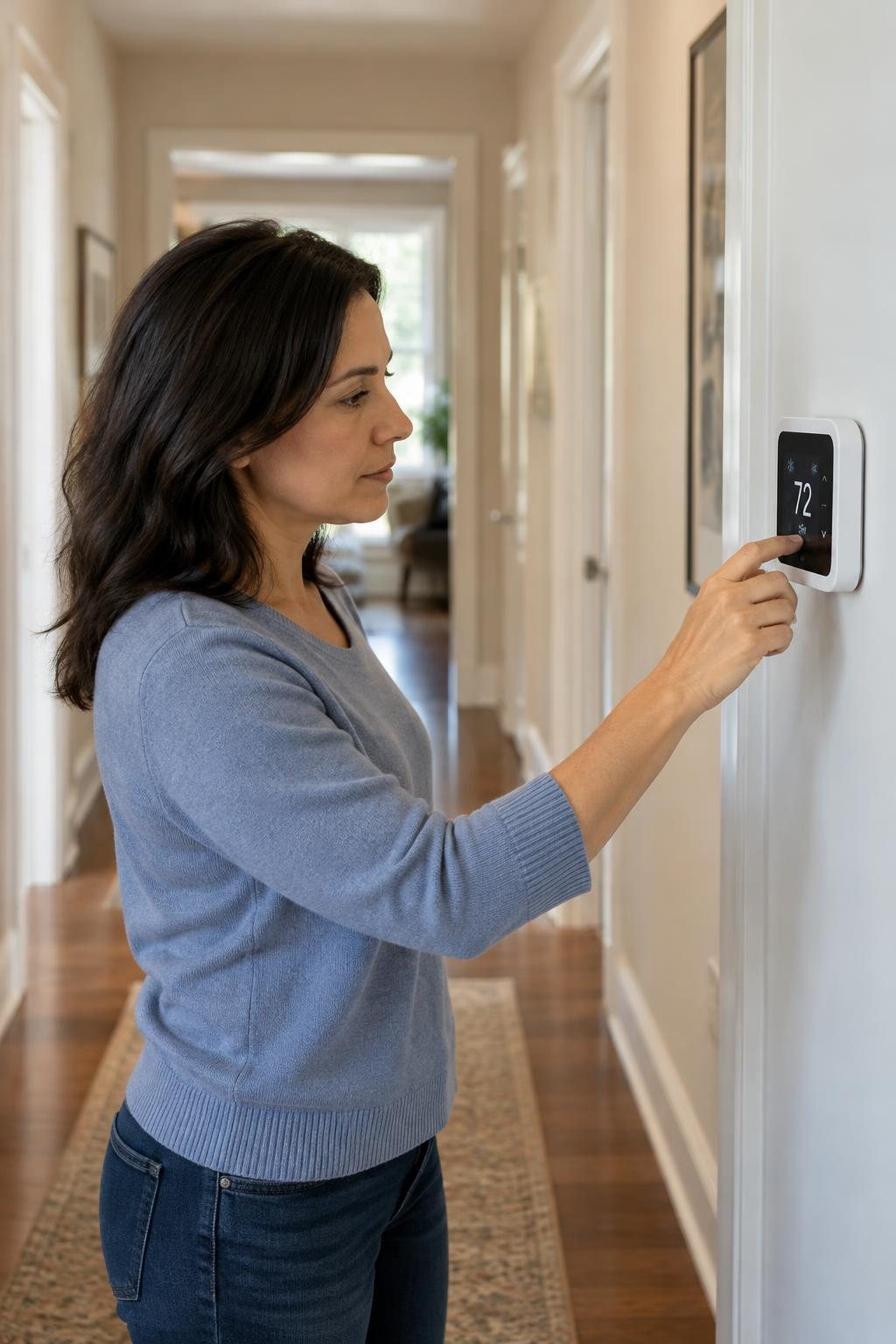
Two checks—no equipment panels
At the thermostat, check that the system is set to Cool and the target temperature is below the displayed room temperature. Note any message or blank display. Avoid repeatedly lowering the setting or switching the system off and on.
If the filter is safely accessible without tools or opening an equipment cabinet, check whether it looks heavily dirty. Follow the equipment instructions for any routine filter replacement; if access or the correct filter is unclear, leave it for a provider.
Do not remove equipment panels, open electrical components, handle wiring or try to add refrigerant. You can request help without completing either check.
If indoor conditions are becoming unsafe, move to a cooler, safe place rather than waiting for an HVAC response. A medical emergency needs emergency assistance, not a repair callback.
Which cooling problem are you seeing?
These observations help frame a repair inquiry; they do not identify the cause on their own.
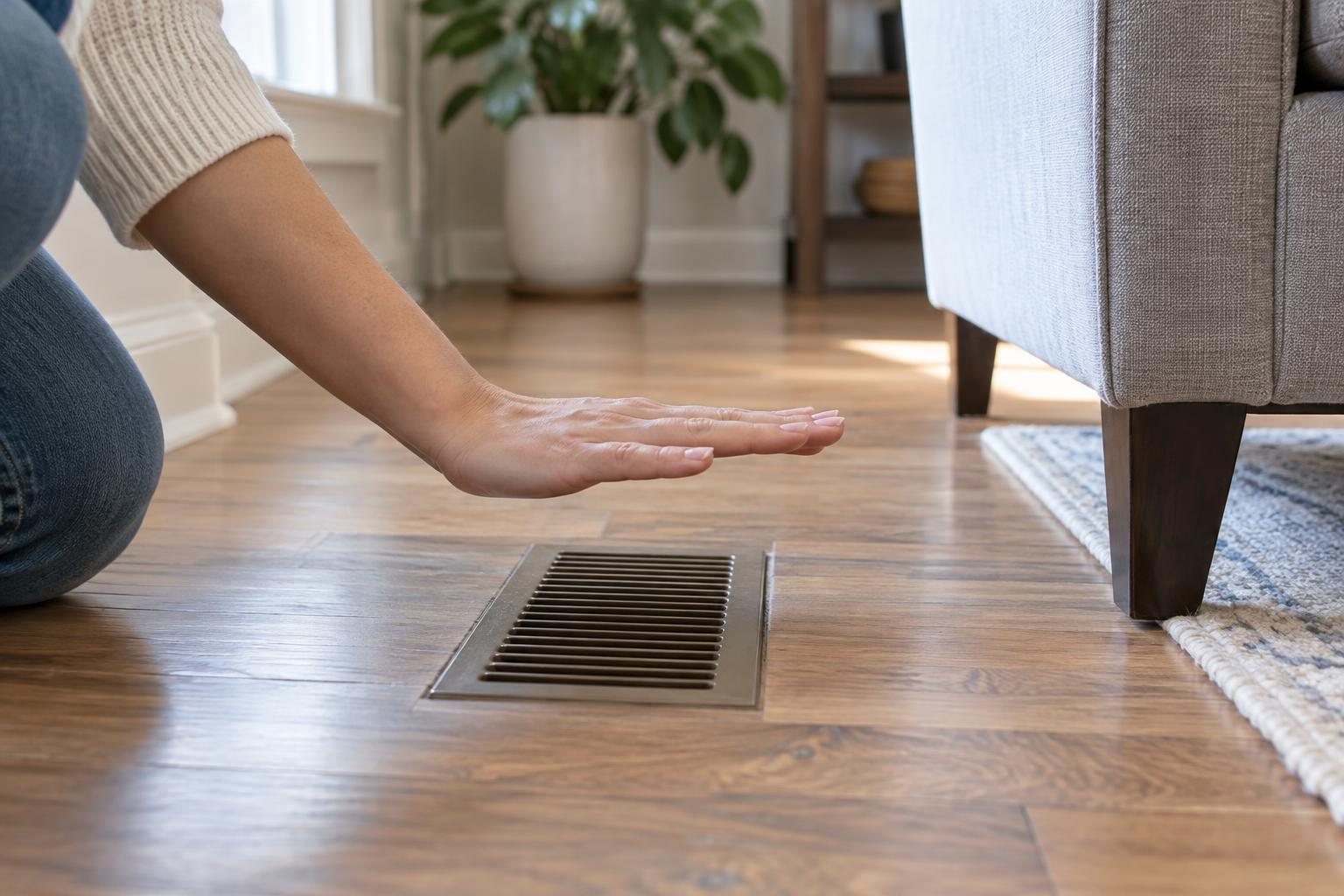
Air feels warm
Note whether air reaches the vents but feels warm, and whether every room is affected.
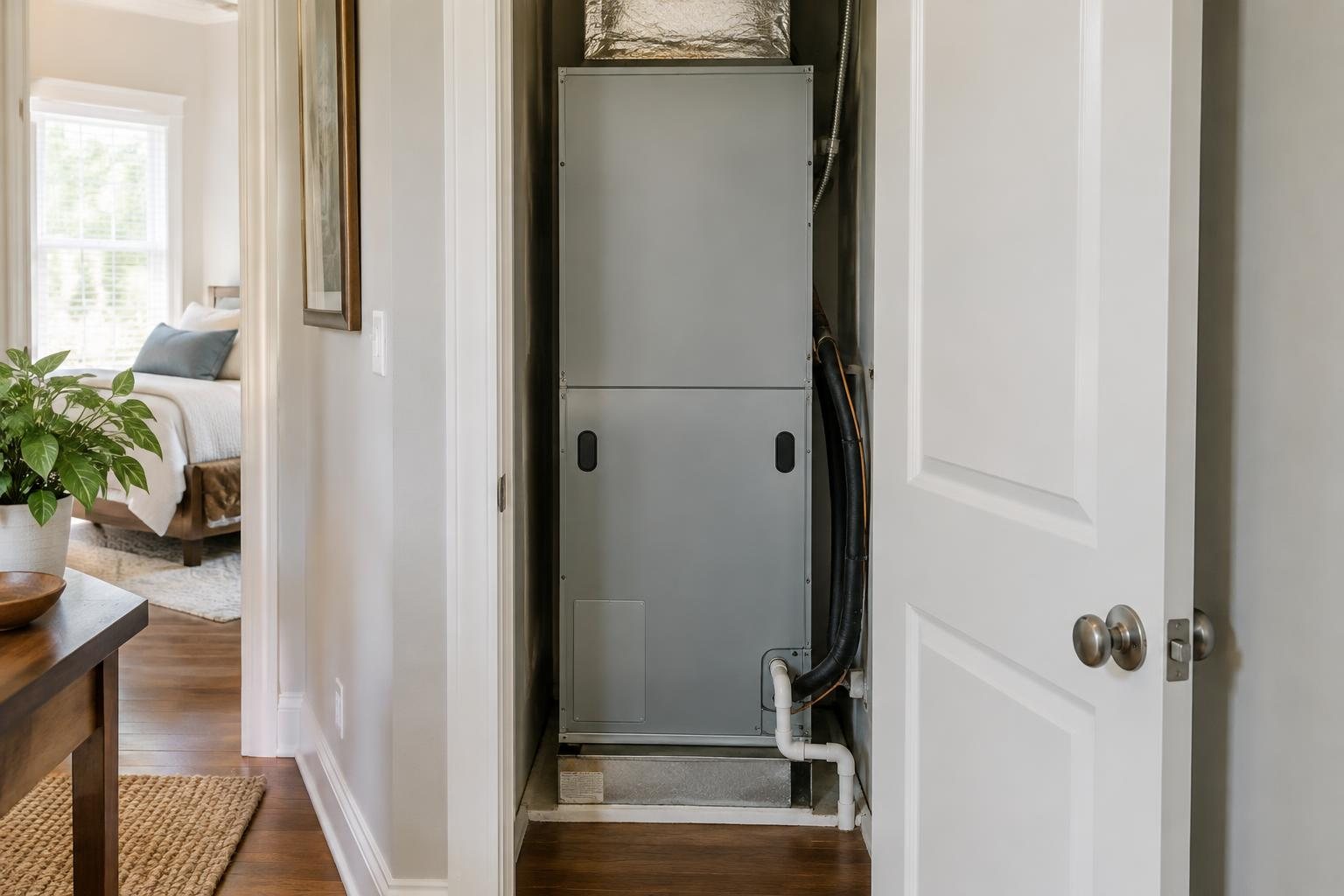
AC will not start
Record what the thermostat shows and whether you hear any response; leave electrical checks to a provider.
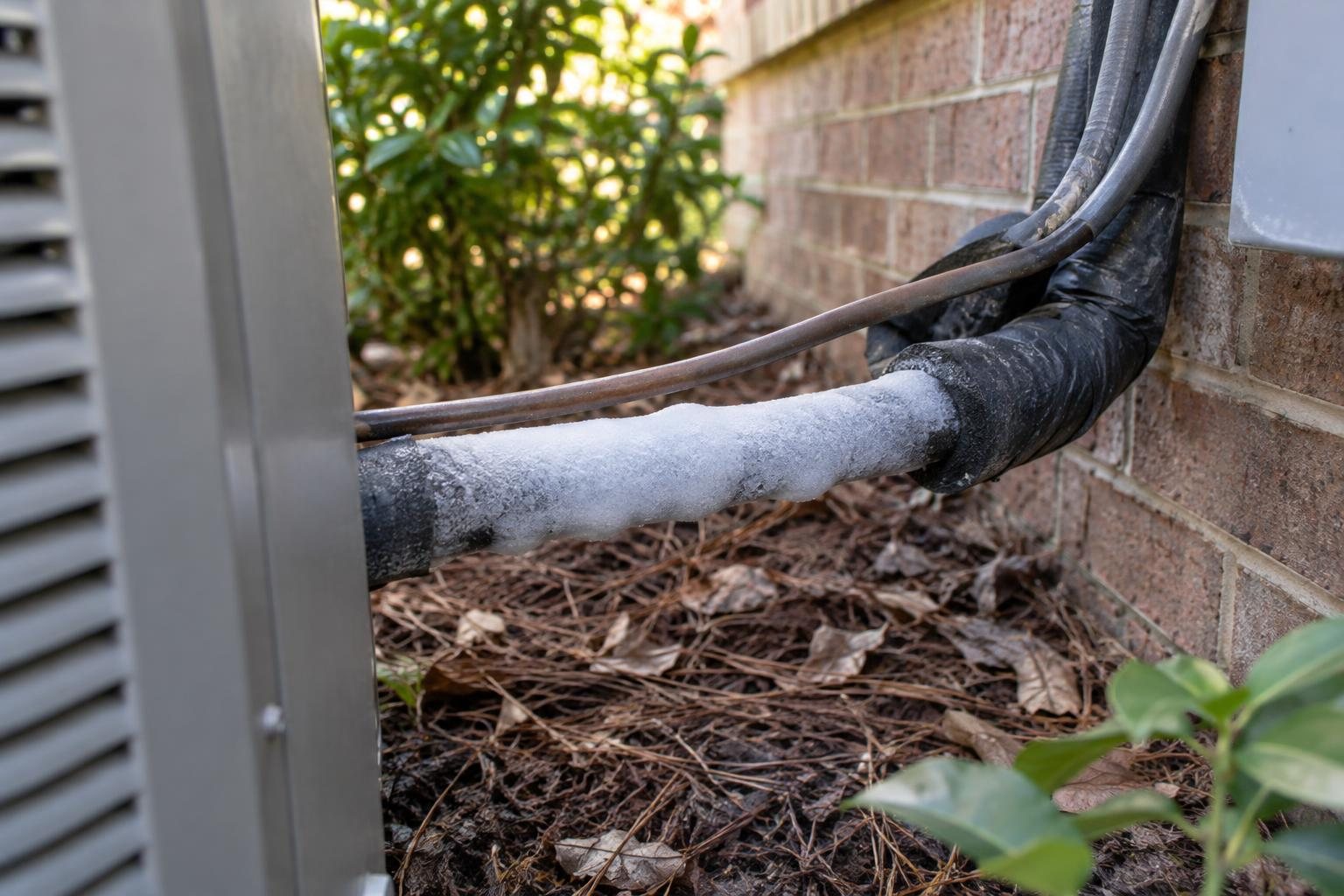
Visible ice
Turn cooling off at the thermostat, note where ice is visible, and do not chip it off or open the equipment.
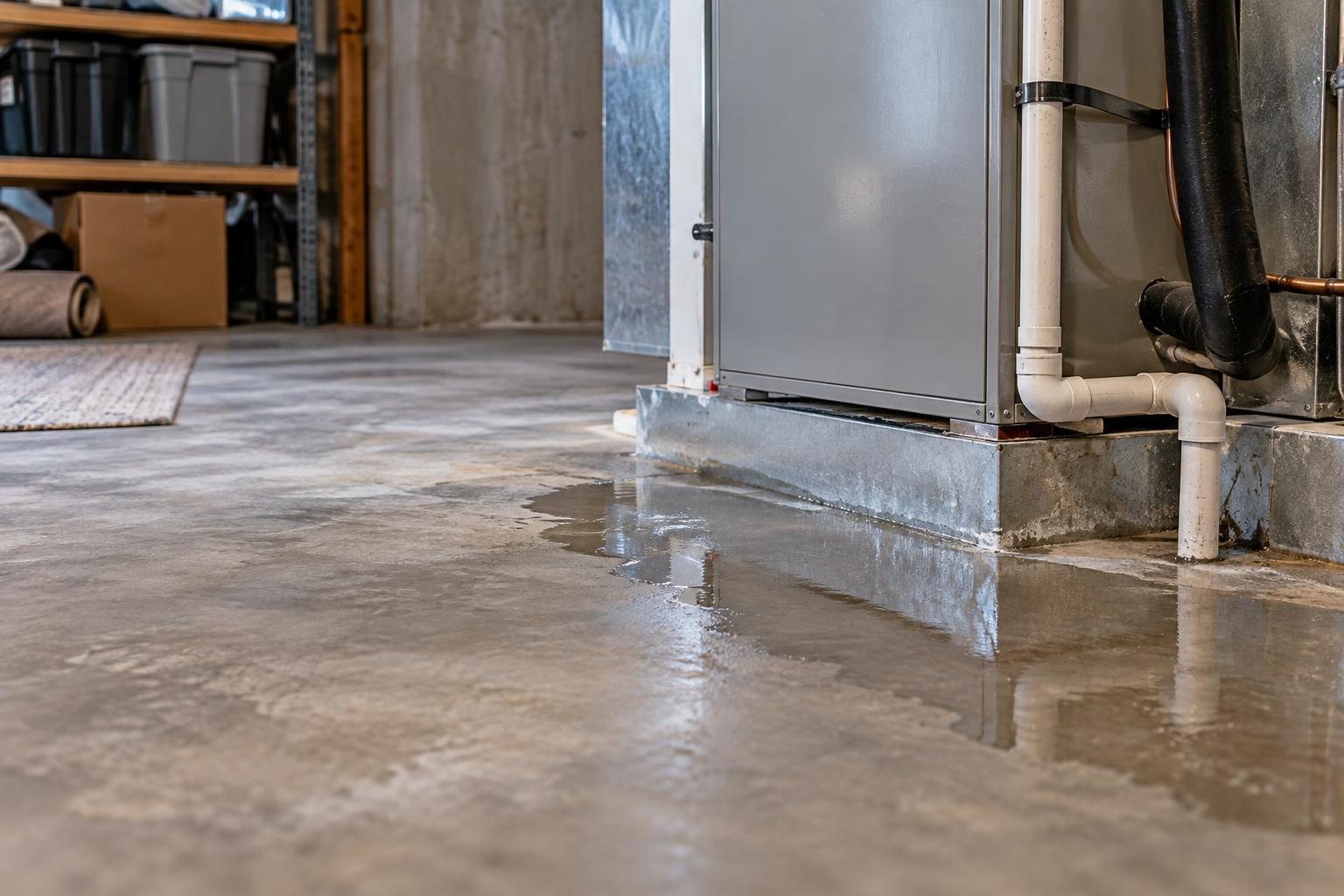
Water near equipment
If safely reachable, turn cooling off at the thermostat and report the water's location without touching wet equipment.
Describe the change, not the diagnosis
Tell the provider when cooling changed, whether the system runs at all, and whether the whole house or only certain rooms feel warm. Include the thermostat setting and displayed temperature if you can read them safely.
Mention visible ice or water, new sounds, recent service and any thermostat or filter checks you made. A photo taken from a safe position may help explain what you see; do not move closer to a hazard to get one.
Before agreeing to a visit, ask the provider to confirm availability, any diagnostic or visit charge, and how repair options and pricing will be explained before work is approved.
Already been advised to replace the system? Ask what the assessment found and whether repair remains an option. Use the replacement guide to prepare questions and compare written proposals rather than deciding from a symptom alone.
Take the next step toward cooling
Continue your AC repair inquiry on the external provider website. Describe what is happening without needing to name the failed part. The provider confirms availability, scope and charges; continuing is not a confirmed appointment.
We connect homeowners with independent local HVAC providers.